Fluorescent Lights, Bad Coffee, and a Guy With a Silencer: Why Convenience Stores Are Spy Cinema’s Best Arena
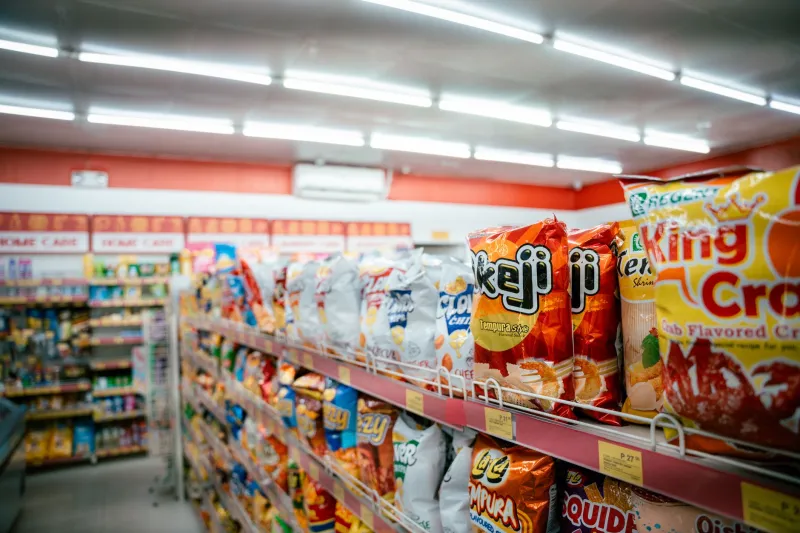
The 007Eleven brand has always lived at a very specific intersection: glamorous espionage and mundane American retail. A martini in one hand, a bag of Combos in the other. And nowhere does that collision get more delicious than the convenience store—that fluorescent-lit box of bad coffee, worse lighting, and the constant sense that someone is about to reach for the last taquito and a suppressed pistol at the same time.
A casino has exits. A mountaintop lair has a monologue. A convenience store has a guy in flip-flops blocking the freezer aisle and a clerk who has seen everything and cares about nothing. That’s not a limitation. That’s a set piece.
The Mini-Mart Doctrine
Why does the convenience store work so well in spy thrillers? Three reasons. First, the sightlines are terrible in the best way: shelves cut the room into blind corners, the cooler hums loud enough to cover a scuffle, and the front window turns every passerby into a witness. Second, the stakes are aggressively ordinary. Nobody expects a knife fight next to the beef jerky. Third, the store is a social space with no privacy—cameras, clerks, teenagers, and one guy who has been standing in front of the ATM for nine minutes. Spy movies love a glamorous location, but they need an ordinary one to make the danger feel real.
Here are seven memorable convenience-store confrontations—or close cousins—that prove the point. We’re counting gas stations and bodegas because the genre has always been flexible about zoning.
7. The Simpsons — Kwik-E-Mart
Not a spy movie, obviously, but Apu’s domain is the cultural template: a convenience store as a stage for chaos, commerce, and the occasional shootout. Every spy thriller that stages a mini-mart fight is borrowing a little from Springfield’s most patient clerk. Streaming on Disney+.
6. Chuck — The Buy More
A big-box electronics store is the convenience store’s overachieving cousin, and Chuck’s Buy More is the ultimate example of retail as spy HQ. The show understood that a normal job is the best cover for an abnormal life, and the store’s break room, Nerd Herd desk, and endless aisles of obsolete electronics became a playground for handlers, assassins, and people who really need to return a router. Streaming on Max.
5. Killing Eve — The Supermarket Aisle
Killing Eve often treats ordinary retail like a hunting ground. Villanelle can make a supermarket aisle feel like a runway and a threat assessment at the same time. The show’s genius is that it lets her be glamorous in places that smell like floor cleaner—and the convenience-store-adjacent scene is a reminder that a great spy confrontation doesn’t need a chandelier. It needs the wrong person holding a basket. Streaming on Hulu.
4. The Americans — The Parking-Lot Dead Drop
The Americans turned the convenience-store parking lot into a recurring diplomatic zone: a place for handoffs, warnings, and the quiet terror of two people pretending to buy ice. The show understood that the most dangerous part of spycraft isn’t the fight; it’s the moment before, when everyone is trying to look bored. Streaming on Hulu.
3. The Bourne Identity — The Supply Run
Bourne doesn’t fight anyone in the mini-mart. He buys hair dye, scissors, and the tools of a man who needs to become someone else by dinner. That’s the purest convenience-store spy scene: tradecraft in the aisle, cash on the counter, and a clerk who will absolutely remember his face. It’s not a confrontation, but it’s a contract—Bourne is telling you he can disappear in a place designed to make everyone visible. Streaming on Peacock.
2. No Country for Old Men — The Gas Station Coin Toss
Technically a gas station, spiritually a convenience store, and absolutely the gold standard. Anton Chigurh’s coin toss is a masterclass in ordinary menace: a bored man, a puzzled clerk, a bag of peanuts, and the sense that the room has quietly become a courtroom. It works because the store is so normal that the violence feels like a clerical error. Streaming on Paramount+ and available to rent on Prime Video.
1. The Bourne Ultimatum — The Tangier Mini-Mart
Okay, fine: the Tangier sequence is more rooftop than retail. But the Bourne movies are the reason the convenience-store aesthetic belongs in spy cinema at all. They understand that a spy on the run doesn’t shop at Harrods. He buys a prepaid phone, a cheap jacket, and a bottle of water from a place with a buzzing sign and a security camera that may or may not be real. The convenience store is where the glamour drains away and the character is left holding a receipt. That’s the 007Eleven sweet spot: a martini budget and a mini-mart reality.
The Aisle Is the Point
The next time a spy movie opens in a casino, ask yourself: where does the hero buy batteries? Where does the villain grab a coffee before the betrayal? Where does the exhausted double agent stand under fluorescent lights and realize the whole operation has come down to a cash-only transaction? The convenience store. It’s cramped, it’s tacky, and it’s perfect. All hail the aisle of danger.