The Quiet Part Out Loud: 11 Spy Scenes Where a Dossier Hits Harder Than Gunfire
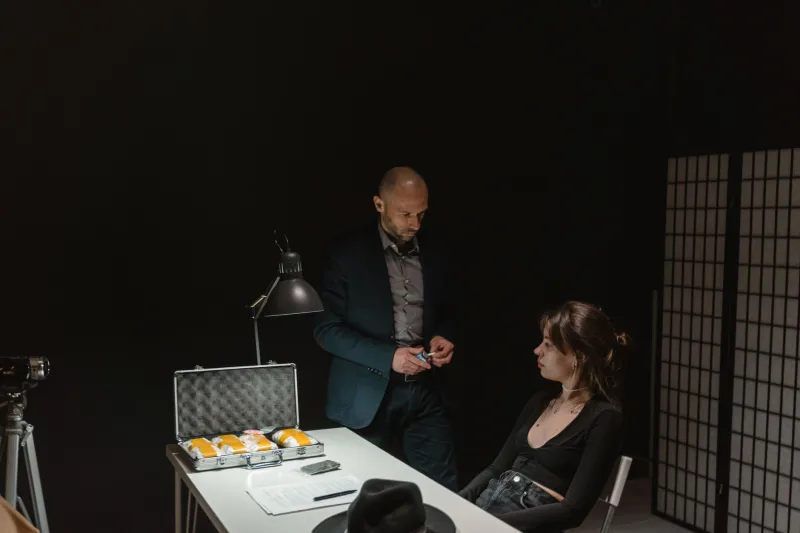
Car chases are easy. A man drives fast, a helicopter follows, someone yells about the brake line. The debrief is harder. It requires actors to make a room with bad coffee feel like a minefield. It requires a folder to become a weapon. And it requires a director to trust that audiences will lean in for a conversation about a stamp, a signature, or a name that does not belong on a list. In 2026’s gadget-heavy spy slate, the quiet information scenes are the ones fans rewatch, quote, and study. Here are eleven that prove restraint can be cinematic.
The Ranking Rules
Tension matters. Rewatch value matters. Prop work matters—folders, pens, tape recorders, and the specific sound of a dossier sliding across a table. Quotability helps. Explosions do not count extra. If anything, a scene loses points for cheating with a car crash when a raised eyebrow would have done the job.
11. Mission: Impossible (1996) — the self-destructing briefing
The tape starts smoking, the mission is impossible, and the room is already tense before Tom Cruise has done anything but listen. It is a briefing as a ticking clock. The scene works because the gadget is not the point; the information is. The fan remembers the beeping, but they quote the assignment.
10. Slow Horses (2022– ) — the Slough House briefing
Jackson Lamb’s office is a master class in making administrative failure feel dangerous. The team meeting is not a strategy session; it is a hostage negotiation with worse ventilation. Every insult lands, every file looks sticky, and every assignment sounds like a punishment. The paperwork is the punchline and the threat.
9. The Conversation (1974) — the tape logs
Gene Hackman’s Harry Caul listens to the same recording until it becomes a confession, a warning, and a trap. The scene is surveillance as editing. He rewinds, isolates, and misreads. The tension comes from a man with headphones and a notebook, which should not be more gripping than a shootout. It is.
8. Zero Dark Thirty (2012) — the intelligence briefing
A room full of analysts, a wall of charts, and a case officer who refuses to let the number go. The scene is about institutional resistance—the moment when evidence has to survive a committee. The dialogue is dry, the stakes are enormous, and the folder is doing more work than most action heroes.
7. The Americans (2013–2018) — the FBI debrief
The show loves a room where people lie professionally. A debrief becomes a chess game because every answer is also a cover story. The fluorescent lighting, the cheap chairs, and the careful silences make the scene feel like a trap that has not sprung yet. The dossier is not a prop; it is a countdown.
6. The Day of the Jackal (2024– ) — the logbook
The Jackal’s meticulous planning scenes are paperwork as menace. He writes, measures, and checks. The audience watches a man prepare, and the preparation becomes the threat. It is the anti-car-chase: a notebook, a map, and a calm hand. The tension is in the precision.
5. Bridge of Spies (2015) — the negotiation prep
Tom Hanks’ James Donovan is not a spy, but he understands that a negotiation is a stack of documents with a pulse. The scenes where he prepares, argues, and drafts language are quietly thrilling because the outcome depends on a sentence. The film makes bureaucracy feel like a high-wire act.
4. The Spy Who Came in from the Cold (1965) — the tribunal
A room, a chair, a set of questions, and a man who has run out of lies. The film’s interrogation and hearing scenes are brutal because they are procedural. The system does the violence. The paperwork is the weapon, and the black-and-white photography makes every form look like a verdict.
3. Black Bag (2025) — the dinner-table polygraph
A married couple, a good meal, and the threat of a lie detector test. The scene works because the domestic setting makes the debrief more intimate and more dangerous. It is a conversation about trust performed as a spy procedure. The tension is in the cutlery and the pauses, not the gadgets.
2. The Agency (2024– ) — the handler meetings
This is spycraft as office work: briefings, phone calls, and the slow realization that the bureaucracy is the battlefield. The handler scenes are tense because everyone is managing information and no one is fully in control. A folder changes hands, and the whole episode tilts.
1. Tinker Tailor Soldier Spy (2011) — the interview rooms
George Smiley sits across from people and asks questions. That is the movie. The interviews are the action scenes. A folder is opened, a photograph is placed on a table, and a career quietly ends. The film understands that betrayal is an administrative act. The debrief is the chase, and the dossier is the gun.
Why the Quiet Scenes Win
Gadgets are fun, but they date. A folder does not. A room with bad lighting and a person who knows too much is timeless. In 2026, spy stories can blow up as much as they want, but the scenes that stick are the ones where someone slides a piece of paper across a table and says, 'Explain this.' That is the moment the audience stops breathing. The explosion is just the cleanup.